Impact of Moorings
Summary of Key Findings on Water Quality and Benthic Impacts
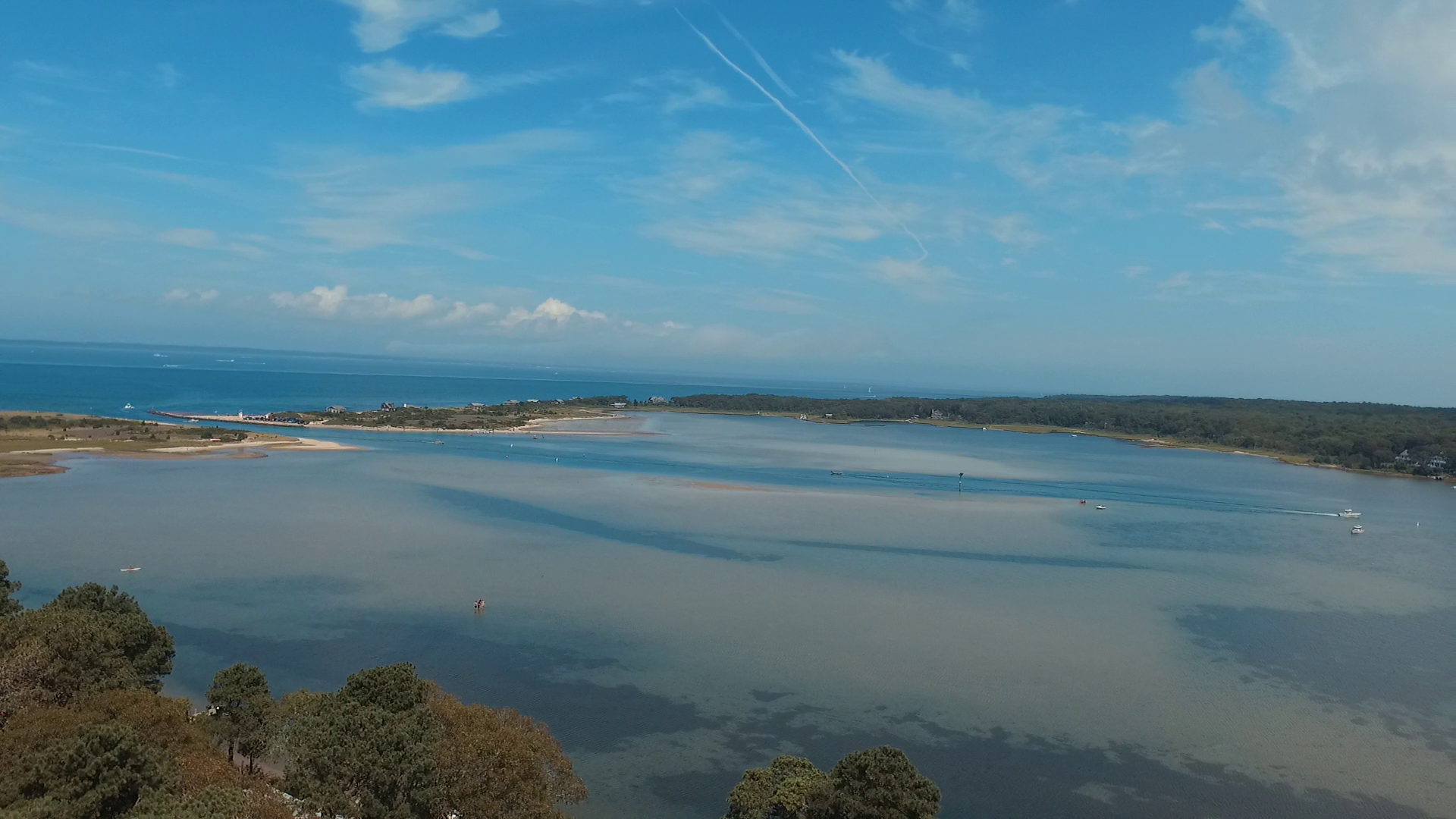
Sediment Resuspension & Turbidity: Traditional swinging moorings use heavy chains and blocks that drag across the seafloor as boats shift with wind and tides. This mechanical action tears up the seabed, scours away vegetation, and kicks up fine sediment—increasing water turbidity (cloudiness).
Nutrient Release & Eutrophication: Stirring up bottom sediments releases buried nutrients (such as phosphorus and nitrogen) into the water column. This nutrient spike can stimulate phytoplankton and algae growth, reduce dissolved oxygen levels, and degrade overall water clarity.
Loss of Submerged Vegetation: Systematic reviews (such as meta-analyses published via PubMed Central) confirm that mooring buoys and infrastructure frequently create barren scour zones where seagrass and aquatic plants cannot survive. Losing these plants removes natural sediment stabilizers, worsening local erosion and turbidity.
Conservation Moorings as a Solution: Studies evaluating alternative systems—such as the Newbury Conservation Mooring Study—show that replacing heavy ground-dragging chains with "conservation" or elastic-line moorings that stay suspended off the bottom can significantly reduce seafloor damage and allow benthic habitats to recover.
Last updated: November 2026